Portrait photographer
Clean minor distractions, balance exposure, and refine skin without flattening texture or changing a person’s identity.
A polished portrait that still looks believable at close inspection.
image editor aiPhotographer workflow
The best ai photo editor for photographers should reduce repetitive work without taking creative control away. Use this practical guide to evaluate image preparation, selective edits, consistency, and final review.
This page is an image-editing guide, not an editor. The link opens Supavisual’s home page without carrying a prompt or image. Sign in there to upload; an eligible paid subscription is required for AI tools. Any paired images here are illustrations of concepts, not verified processing results from this site or Supavisual.
Explore Supavisual image tools
Start with the workflow closest to your assignment, then compare the editing surface and review steps that matter most.
See how AI-assisted editing can fit into a broader image preparation workflow.
Review practical image-editing examples before deciding which results meet your standard.
Explore how an image editor can support a Photoshop-centered process without replacing judgment.
Compare an online AI workflow when access and quick iteration matter.
Photographers need more than a dramatic transformation. A useful workflow preserves intent, makes repeatable adjustments possible, and leaves room for a careful human pass.
Clean minor distractions, balance exposure, and refine skin without flattening texture or changing a person’s identity.
A polished portrait that still looks believable at close inspection.
image editor aiPrepare a varied set of indoor, outdoor, and reception images while keeping skin tones and mood visually coherent.
A more consistent gallery with fewer repetitive corrections between images.
image editor online aiClarify edges, improve presentation, and prepare clean variations while protecting the shape and material qualities of the product.
Useful product visuals that remain faithful to the photographed object.
image editor examples freeTest crops, tonal directions, and selective changes while preserving the story and visual hierarchy of the original frame.
More options for review without losing the image’s reporting or editorial context.
image editor for photoshopA dependable process separates interpretation from approval. Let the tool suggest or apply changes, then use your own visual criteria to decide what survives.
State the subject, mood, priority detail, and boundaries of the edit. For example, request cleaner background distractions while preserving natural skin texture and the original expression.
Check edges, hair, eyes, hands, repeated patterns, reflections, and fine texture. AI can make a convincing overall change while introducing a small defect that matters in print or close viewing.
Keep the original available, compare the change against the brief, and use only the adjustments that improve the image. A strong workflow supports decisions rather than replacing them.
The comparison below represents the right standard: improvement should be visible, controlled, and appropriate to the assignment rather than simply more intense.
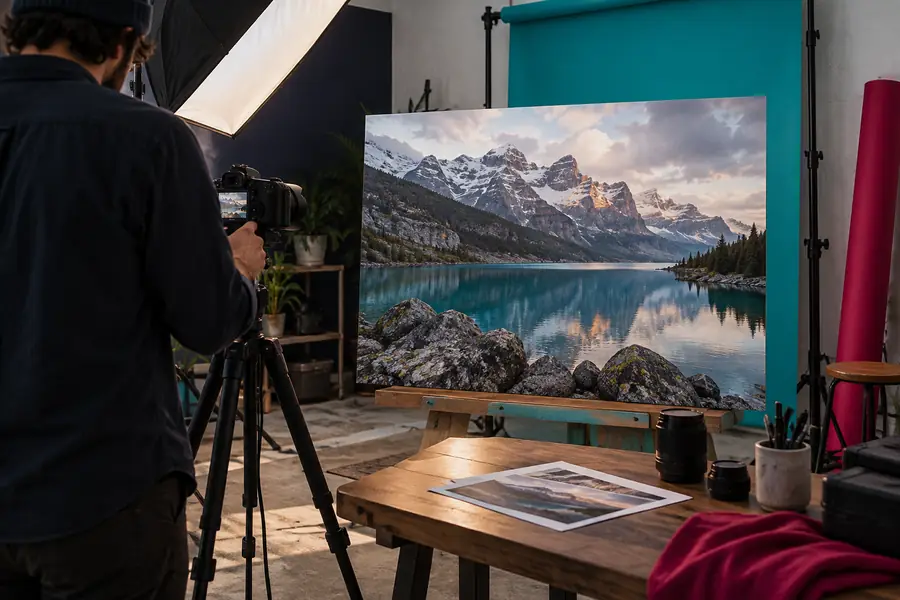
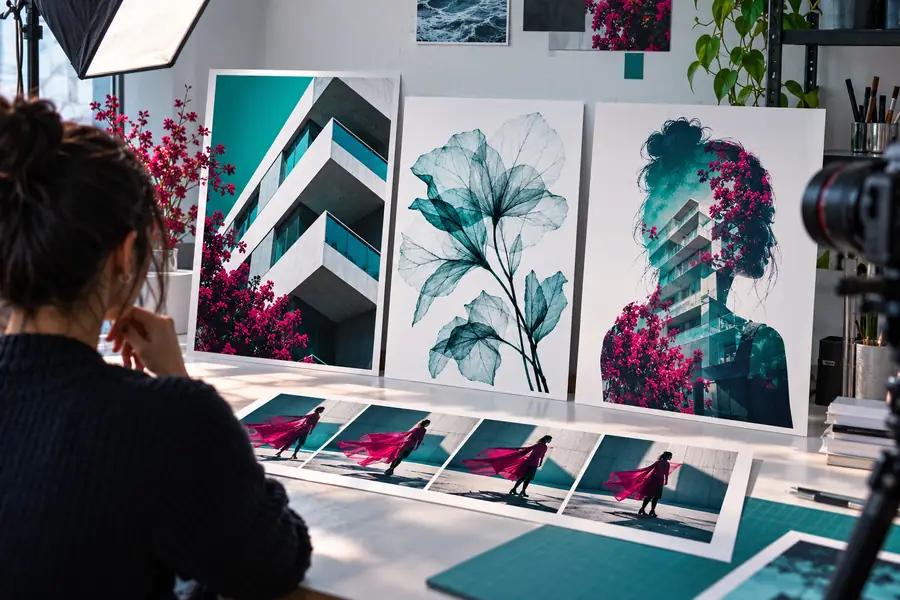
Judge detail, identity, texture, and consistency—not just the first visual impact.
AI assistance is most valuable when it reduces predictable corrections. It becomes costly when a quick result creates new defects that must be repaired manually.
AI-assisted first pass
Useful for identifying or handling common distractions across a first pass.
Photographer-led final pass
Confirms that cleanup does not remove meaningful texture or context.
AI-assisted first pass
Can smooth too broadly or interpret pores, hair, and fabric inconsistently.
Photographer-led final pass
Sets the naturalness threshold for a credible final image.
AI-assisted first pass
Can suggest a direction quickly when a set needs a shared look.
Photographer-led final pass
Checks skin tones, neutrals, highlights, and the relationship between images.
AI-assisted first pass
May alter facial details or small features when the instruction is vague.
Photographer-led final pass
Protects likeness, expression, anatomy, and recognizable details.
AI-assisted first pass
Can accelerate selections around straightforward subjects.
Photographer-led final pass
Inspects hair, transparent objects, reflections, and complex overlaps.
AI-assisted first pass
Offers variations that can help test a direction.
Photographer-led final pass
Decides whether the change serves the brief, client, story, or personal style.
AI-assisted first pass
Can reduce repeated manual starting points across related images.
Photographer-led final pass
Approves the look and corrects image-specific exceptions before delivery.
An AI workflow can shorten the path to a promising version, but it cannot guarantee a client-ready image without inspection and context.
A visually attractive change may still conflict with a publication, brand, client, or documentary requirement.
WorkaroundState the intended use, protected details, and unacceptable changes before editing.
Hands, hair, jewelry, repeated patterns, reflections, and fine skin detail can require close inspection and repair.
WorkaroundZoom in, compare with the source, and retouch questionable areas manually.
A result that looks balanced on one display may shift across calibrated screens, print, or delivery platforms.
WorkaroundUse your established monitor, export, proofing, and delivery checks.
Severely clipped highlights, blocked shadows, motion blur, or missing detail may not be restored faithfully.
WorkaroundReturn to the source capture when possible and treat generated detail as a creative choice, not recovered evidence.
Use Image Editor to explore a controlled direction, then keep your photographer’s eye in the loop. Describe the intended result, inspect the important details, and approve only what supports the final image.
These questions address the practical concerns photographers should resolve before putting AI assistance into a repeatable workflow.
Look for controlled edits, clear preservation of the original, and results that can be inspected at meaningful detail. The workflow should help with repetitive work while leaving creative, technical, and client-facing decisions with the photographer.
It can preserve identity when the edit is constrained and reviewed carefully, but no tool should be assumed to do so perfectly. Inspect eyes, facial structure, expression, hair, skin texture, and any feature important to recognition.
It can be suitable for professional work when the assignment allows it and the photographer verifies the result. Use it as an assistant for exploration or repetitive corrections, then apply the same quality, accuracy, color, and delivery checks used for any other edit.
Set a specific intent and protect natural texture, lighting direction, proportions, and subject detail. Compare the edited frame with the source at working size, reduce changes that draw attention to the process, and repair artifacts before delivery.
Not necessarily. An AI photo editor can be a faster starting point or a complementary surface, while Photoshop or another established tool may remain important for precise compositing, masking, color work, and finishing.