Bring the image and goal
Choose the image you want to work on and describe one concrete outcome, such as removing a distraction, adjusting emphasis, or adding readable text.
Browser-first editing
A free image editor no download route helps you begin with an image task without first installing a desktop program. Use this starting point for focused edits, then decide whether you need a broader editing workspace.
This page is an image-editing guide, not an editor. The link opens Supavisual’s home page without carrying a prompt or image. Sign in there to upload; an eligible paid subscription is required for AI tools. Any paired images here are illustrations of concepts, not verified processing results from this site or Supavisual.
Explore Supavisual image tools
Choose your starting point
No-download access is about reducing setup friction; a broader editor page is better when you already know you need several tools or a longer editing session.
Compare the broader free-editing route when you want to explore more than one quick change.
Use this related online route when browser access and a wider task are both central to your search.
Consider an AI-focused workflow when you want assistance with an image change rather than only manual adjustments.
Three useful actions
The no-download route is most useful when you want to move from an image and a clear instruction to a reviewable result with minimal setup.
Choose the image you want to work on and describe one concrete outcome, such as removing a distraction, adjusting emphasis, or adding readable text.
Check the result against the original. Look closely at edges, faces, small lettering, and any area where a broad instruction could have changed more than intended.
If the first result is close, make the instruction more specific. If the task has grown into many layered edits, move to a fuller image editor workflow.
Know the boundary
Removing installation friction does not make every image task simple. These are the practical edges to consider before you begin.
Complex compositing, detailed masks, precise layer management, and long revision histories may require a more complete editing environment.
WorkaroundBreak the task into a focused change first, then use a fuller editor when you need granular control.
Small text, hair, transparent edges, repeated patterns, and busy backgrounds can need careful inspection after the first result.
WorkaroundDescribe the target area precisely and review the output at a useful zoom.
The image still needs to be available to the workflow, and the final result should be checked for quality and suitability before sharing.
WorkaroundKeep an original copy, inspect the finished image, and export only after confirming the important details.
A route designed for low friction is less suitable for a large batch with strict visual consistency across many assets.
WorkaroundUse it for a defined image task and establish a repeatable review process for larger sets.
See the difference
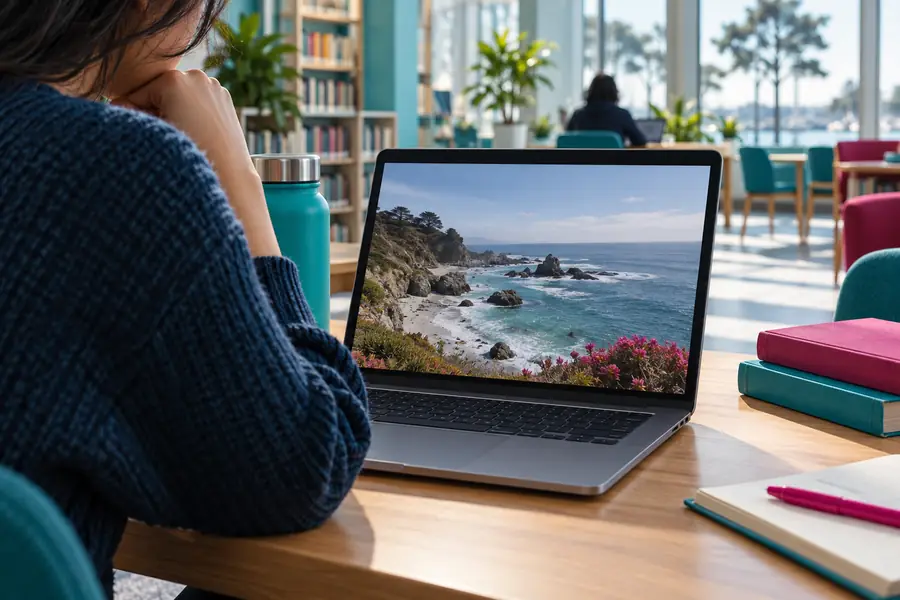
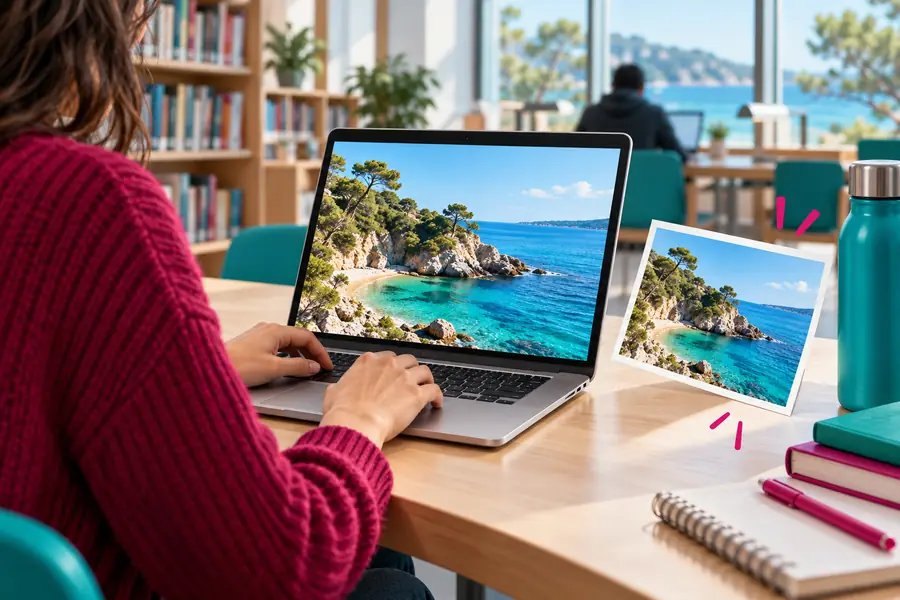
The goal is a clear change, not unnecessary complexity.
Start with less friction
When the task is clear and the change is focused, a no-download starting point can help you test the direction quickly. Describe the result you want, inspect the image, and refine only where the output needs attention.
Common questions
It describes an image-editing route that you can begin through a browser without installing a desktop application first. The phrase focuses on access and setup friction, not on promising that every feature or output is free.
Yes, this type of route is suited to focused changes such as cleanup, emphasis, simple text placement, or a targeted adjustment. Review the result carefully when the image contains small lettering, fine edges, or important faces.
Not always. Detailed compositing, precise masking, extensive layer work, and large batches can call for a more complete editing environment, so treat the no-download route as a practical starting point rather than a universal replacement.
A no-download workflow is intended to reduce that initial installation step. You can begin by supplying an image and a clear editing goal, then decide whether the resulting workflow meets the needs of the project.
Compare the result with the original and inspect the subject, edges, text, and background for unintended changes. Confirm that the image looks right at the size where people will actually see it before sharing or publishing it.